

Green Illness Detection
We're reinventing turfgrass monitoring through advanced image analysis
The Project
Green Illness Detection is an innovative project that leverages computer vision and artificial intelligence for the monitoring and early identification of diseases in turfgrass, with a particular focus on golf courses.
Developed in collaboration with Mint S.r.l., a Rovereto-based company specializing in IoT solutions for precision agriculture, the project aims to revolutionize the management and maintenance of green areas.
The project is part of the "Foundation Open Factory" initiative, promoted by ELIS and funded by Trentino Sviluppo.

The Challenges Ahead
Maintenance Costs
Late detection of turfgrass diseases leads to broader and more expensive maintenance work, with consequent increases in labor and materials needed.
Environmental Impact
The more the disease spreads, the more water and pesticides are needed to treat it, with a significant impact on the ecosystem and a risk of overuse of chemicals.
The lack of an effective real-time monitoring system makes it difficult to detect turfgrass diseases promptly, leading to late interventions that result in higher economic and environmental costs.
Project Goals
Reduce Costs
Minimize maintenance expenses through early disease identification, enabling targeted interventions that require fewer resources and less labor.
Optimize Resources
Plan labor more efficiently, allowing staff to focus only on areas that actually need intervention.
Reduce Environmental Impact
Limit the use of water and pesticides through early targeted interventions, contributing to the environmental sustainability of golf courses.
Our Solution
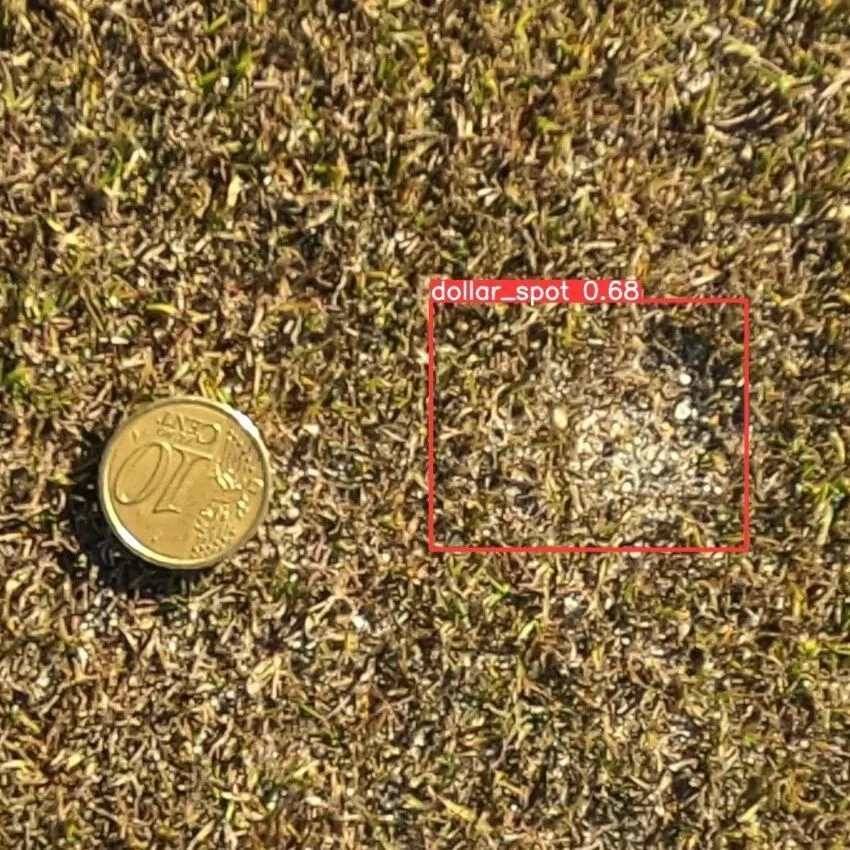
We developed a computer vision algorithm capable of identifying, recognizing and precisely localizing turfgrass diseases in their very earliest stages.
Cameras mounted on maintenance machinery capture turfgrass images during routine operations
Computer vision algorithm that analyzes the images to identify and localize turfgrass diseases
Interactive course map that shows at-risk areas with their GPS coordinates for targeted interventions
The system integrates image analysis data with geolocation, creating a health map of the golf course that enables precise and timely interventions.

Implementation Phases
1. Preliminary Study
Analysis of the scientific literature and existing public datasets on plant disease detection, to understand the state of the art in computer vision applied to agriculture.
2. Image Collection
In collaboration with Mint, we conducted on-site visits at golf courses, capturing numerous images of turfgrass exhibiting various types of diseases at different development stages.
3. Image Labeling
The collected images were manually labeled, precisely indicating regions where diseases were present, creating a supervised dataset for model training.
4. Initial Training
We selected the most suitable neural network architecture and trained the model using the created dataset, optimizing parameters to maximize recognition accuracy.
5. Iteration & Optimization
As new data was collected, we continuously improved the model, increasing its precision and ability to recognize different diseases under varying conditions.
6. Validation & Integration
We tested the system on a sports facility in Trentino, verifying recognition accuracy and integrating it with Mint's IoT platform to provide complete real-time monitoring.
Concrete Benefits
The system was validated on a Trentino sports facility, demonstratinghigh accuracy in detecting different turfgrass diseases.
Thanks to early disease identification, it's possible to intervene promptly, significantly reducing both maintenance costs and environmental impact.
The results show that targeted interventions based on data provided by our system require fewer resources, labor, and chemicals, contributing to more sustainable and economical management of golf courses.
Reduced Maintenance Costs
Early disease identification allows more targeted and less extensive interventions, with significant savings in resources and labor. Course administrators can better plan maintenance operations, focusing efforts only where really needed.
Reduced Environmental Impact
More efficient use of water and pesticides helps limit the environmental impact of maintenance operations. Lower chemical use makes the course healthier for users and the surrounding ecosystem, promoting more sustainable management of green areas.
Thanks to AI algorithms based on video stream analysis, it's possible to monitor green areas in real time, automatically detecting potential diseases and providing effective tools for optimal course management.
Other projects
Discover how we've helped other companies solve complex problems and turn their data into a competitive advantage.

OK-ROAD
Smart road monitoring
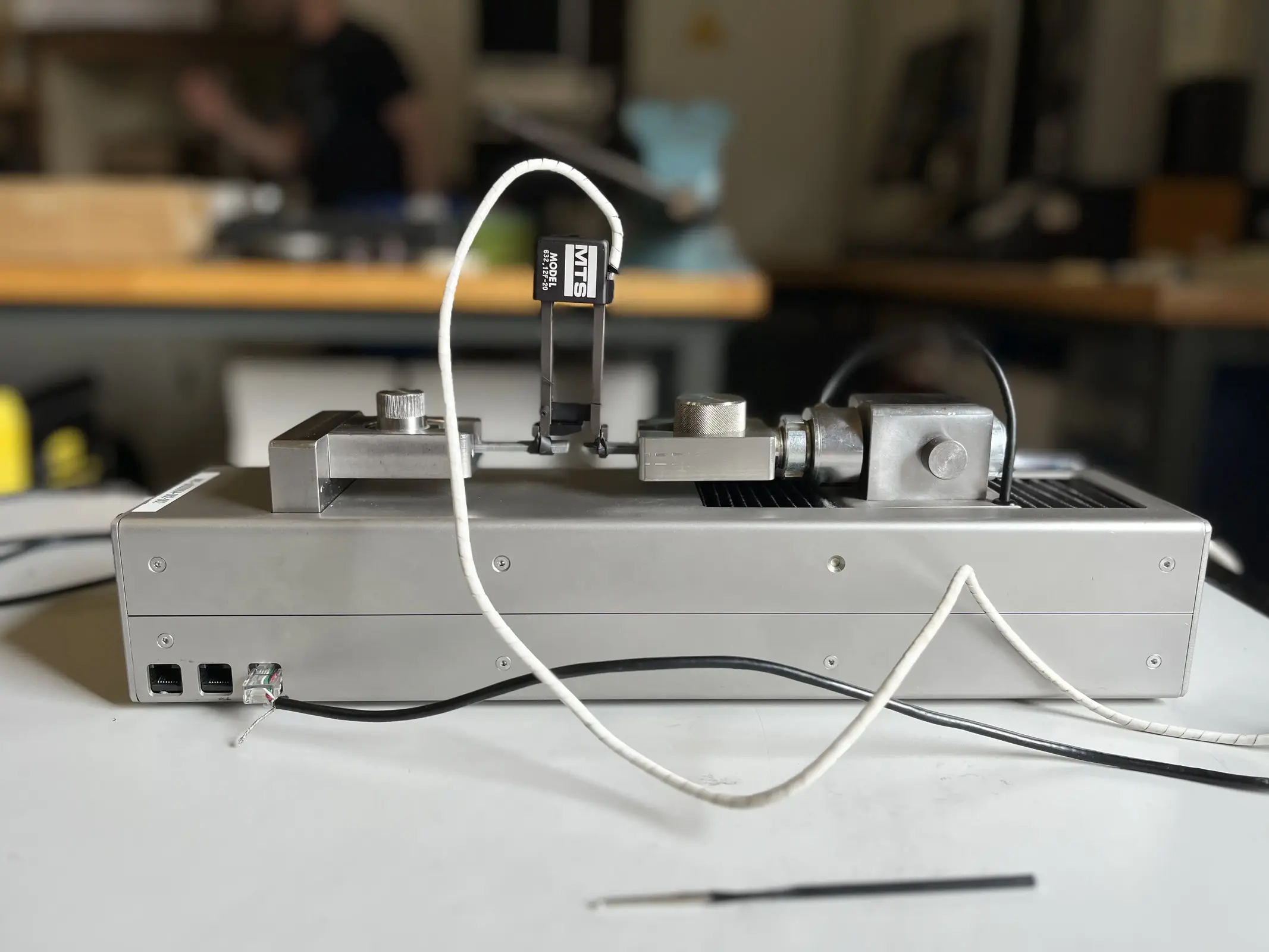
MaChAwAI
Reinventing material testing for additive manufacturing

Manufacturing AI Assistant
Next-generation technical support powered by AI

Trend Anomaly Detection
Advanced microbiological exam analysis