
Trend Anomaly Detection
Advanced analysis of microbiological tests for the pharmaceutical sector
Introduction
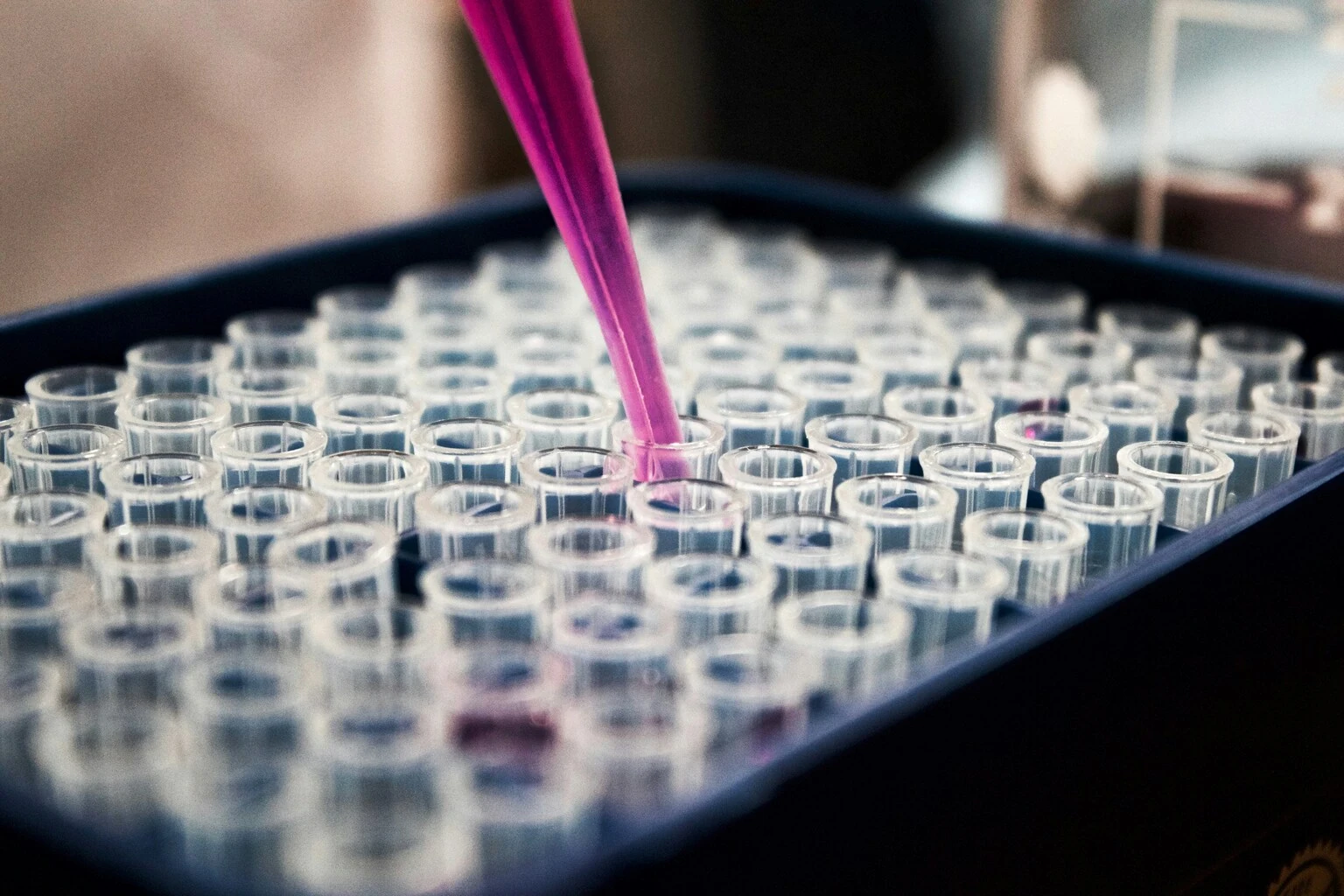
The reference client for this solution is a multinational operating in the chemical/pharmaceutical sector with business processes that include water and air quality testing.
The need was to automate and streamline the microbiological analysis process, often complex and resource-intensive in terms of time and effort.
For this reason, we developed an AI-based solution to detect anomalies and unwanted trends in environmental monitoring data.

Challenges Addressed
Microbiological testing of water and air at a pharmaceutical company is normally affected by several issues:
High Costs
Given the criticality of the sector, errors in analysis can translate into significant costs for the company.
Significant Complexity
The analysis procedure normally requires expert and qualified personnel.
Long Time
The entire analysis procedure takes a long time to complete.
Project Goal
Build an analysis tool for microbiological water and air tests that can improve the analysis process by making it:
Automatic
The operator no longer has to personally review all results.
Continuous
The system acquires and analyzes data 24/7.
Fast
Analysis is performed by a modern computing system, much faster than a human operator.
Our Solution
Build an environmental test data analysis system capable of:
Learning from Data
Through advanced Machine Learning algorithms, the system can automatically adapt to the data and problems presented to it.
Detecting Anomalies
The system can automatically identify anomalous data and flag them to the expert operator.

Implementation
The tool was built by combining several Machine Learning strategies:
Data Synthesis and Augmentation
In addition to building a dataset by collecting environmental monitoring data from the company (with corresponding anomaly labels for the system to predict), we used algorithms to generate synthetic samples to increase dataset size and train the models more effectively.
Supervised Learning
The resulting dataset was used to train supervised classification models.
Model Ensemble
To further increase system accuracy, we developed policies to manage the outputs of different Machine Learning models trained on the same dataset.
Results and Benefits
Concrete Results
The resulting system can detect anomalous and unwanted trends in the data with over 90% accuracy.

Benefits Achieved
Cost Reduction
Several man-hours of expert operators are no longer needed to conduct the analyses, leading to significant savings.
Objective Analyses
Results are more objective as they no longer depend on subjective interpretations.
Conclusions

The developed solution proved highly effective, enabling significant savings in terms of working hours and time, and improving the quality of the analyses performed.
Thanks to the use of advanced Machine Learning and data analysis technologies, the solution can also be easily extended and adapted to other types of environmental analysis.
Contact us to discover how we can apply similar solutions to your business.
Other projects
Discover how we've helped other companies solve complex problems and turn their data into a competitive advantage.

Green Illness Detection
Reinventing turfgrass monitoring

OK-ROAD
Smart road monitoring
MaChAwAI
Reinventing material testing for additive manufacturing

Manufacturing AI Assistant
Next-generation technical support powered by AI